Chased by federal agents, suburban ICE observers in the Twin Cities say they won't back down
Volunteers who monitor immigration agents in Minneapolis-area suburbs describe being pursued and boxed in on roads, yet say the experience has deepened their commitment and their bonds with one another.
By Anna Nowak ·
Last Tuesday, Drae Solberg was driving through the northern suburbs of Minneapolis when at least four SUVs carrying federal agents began tailing their vehicle and brake-checking them on suburban streets and highways. During the chase, Solberg told another Immigration and Customs Enforcement observer on a Signal call, "I think they're trying to run me off the road."
On a four-lane highway, two federal SUVs pulled in front of Solberg and a second observer, who had been filming agents outside a nearby mobile home park. The SUVs braked abruptly, halting traffic in both lanes, and one switched on its emergency lights. Solberg's first instinct was to comply. But another observer, in a car behind, saw masked agents in tactical gear get out of an SUV, and both thought of Alex Pretti and Renee Good, who were killed by federal agents last month.
When the emergency lights went off, other volunteers urged Solberg to leave. "We could deal with a ticket, we could deal with going to jail at some point," Solberg said, but not with the high probability of being injured, detained or killed. Video shared with MPR News supports Solberg's account. ICE did not respond to a request for comment. The agents stopped following the observers more than 20 minutes later, after which Solberg and a fellow observer who goes by Elizabeth pulled into a parking lot. Though they had known each other only a few weeks, they hugged and cried.
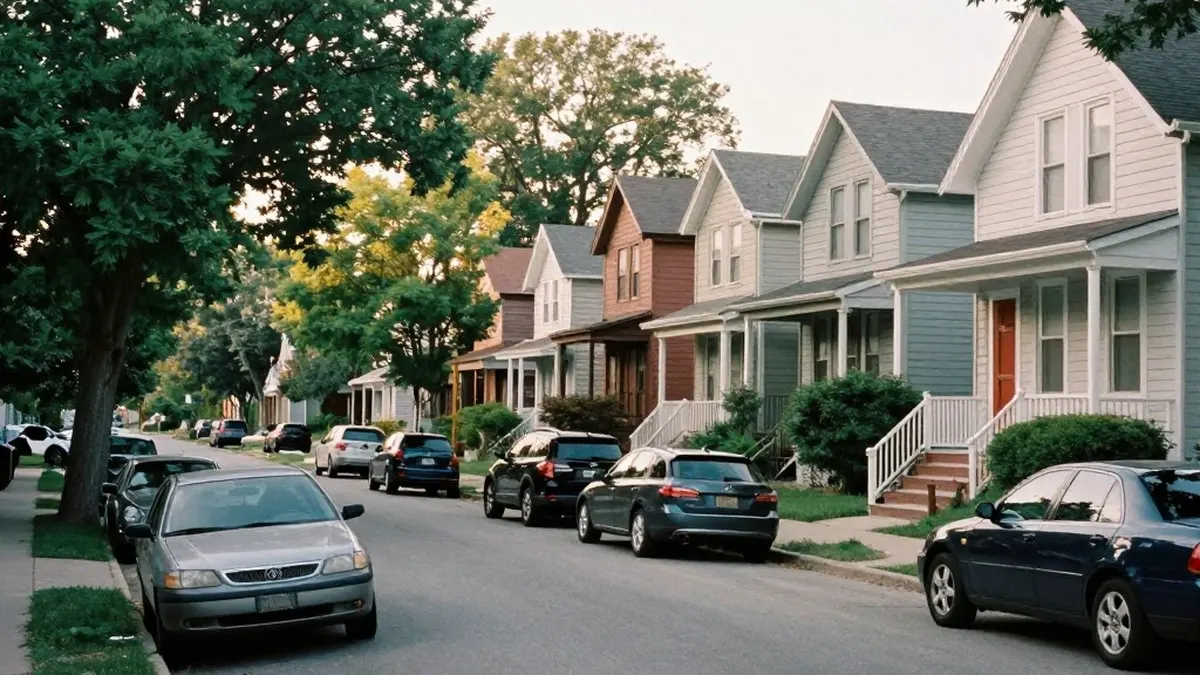
Videos of residents blowing whistles and honking horns at federal agents have become familiar across Minnesota, but most come from Minneapolis and St. Paul, where denser neighborhoods allow quicker responses. As agents have spread through the state, suburban opponents of ICE have adapted those tactics to more spread-out communities.
Elizabeth, who asked to be identified by her first name to avoid retaliation, said she had observed in the suburbs since Good was killed. Just over a week ago, she saw an unfamiliar SUV in her driveway with a white man at the wheel; it drove away when she began recording. Police told her the South Dakota plates belong to a different model of car. Swapping plates has become a hallmark of federal agents during the enforcement surge, despite a warning from the state's Driver and Vehicle Services, and other observers say agents have used private citizen data to track them to their homes.
Border czar Tom Homan spoke last week of a drawdown of federal agents after President Donald Trump sent him to Minnesota to replace U.S. Border Patrol Commander Gregory Bovino, who was reportedly demoted. Elizabeth and other suburban observers said they have seen no de-escalation since Homan arrived. They report more agents on the roads, and a shift from mocking observers to chasing them or trying to box them in.
Observers said watching in the suburbs differs from the cities. There are fewer volunteers over a larger area, many drive alone, and they stay in their cars at a distance rather than standing on sidewalks. Most are women, and they describe the group as more soccer moms than hardcore activists. "We are alone — it's two petite women in our vehicles," Elizabeth said.
Michele, a mother of three who also asked to be identified by first name to protect her family, said she had felt for months as if she were drowning, and that joining the observer community has changed her life. She said she no longer worries about ruffling feathers. She also became more active this year in honor of her brother, a 20-year military veteran who died unexpectedly last year and had predicted that Mexicans and trans people would be targeted.
Solberg has had trouble sleeping since the pursuit and feels uneasy leaving home, but says the fear is what many neighbors who worry about ICE feel daily. Local police told Solberg they could not help and suggested a report to the federal government for an internal investigation. Solberg is now more committed to observing. Elizabeth said she has told relatives she would do it again and again, calling the work too important to stop.
Observers also say they sense changing attitudes among suburban neighbors. Michele recalled a woman crying by the road while she helped watch school buses unload, terrified ICE was nearby. "You're here, you're caring. You are doing something," Michele told her. Elizabeth said the experience has restored some of her faith in humanity.
Originally published by News Media House · Source: MPR News